0113 249 2222


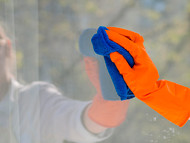
How to Clean Polycarbonate Plastic
Polycarbonate is one of the most versatile clear plastics available in the consumer market. You can use this plastic material throughout your home and for a wide range of different purposes, such as greenhouse glazing, conservatory roofing, and as protective screens or windshields.
Keeping your polycarbonate products in good nick is a fairly simple process. The more you clean and care for your plastic the longer it will last, saving you money in the long run! In this blog, from The Plastic People, we are going to think all about cleaning and maintaining polycarbonate.
If you are looking for information on cleaning or caring for another plastic - such as acrylic (perspex) make sure to click here to check out our other guides!
As always, our customer services team are on-hand if you need any advice on plastic and plastic products. Email them at service@theplasticpeople.co.uk with your query today.
How Often Should You Clean Polycarbonate?
Though time frames differ depending on the application of the material, we recommend giving your polycarbonate a good clean at least twice a year. For protective screens and windscreens, cleaning should occur more often.
Over the year, and particularly during the winter and autumn months, polycarbonate roofing (also known as twinwall or multiwall panels) can collect a range of debris and dirt from falling leaves and such. Giving your roofing a good clean in spring and the summer will ensure it stays looking brand new and clear!
Roofs with a steeper pitch can probably be cleaned only once a year as the majority of debris and water will roll off the end into gutters, or other waste management systems. Shallow roof pitches will need greater attention, however.
For greenhouse glazing, cleaning can occur whenever the polycarbonate panels look dirty to the eye. To let the most light through to your plants and flowers, remember to give the inside and outside of the panels a wipe whenever they are dull or misty with dirt.
What Happens If You Don’t Clean Polycarbonate?
Over time, outdoor polycarbonate installations can collect dust, leaves, algae, moss and airborne pollutants. These deposits can block light, create staining and encourage moisture retention on the surface.
If left untreated for long periods, organic growth can become more difficult to remove and may affect the overall appearance of canopies, roofing systems, greenhouses and covered walkways.
Good drainage and airflow around your polycarbonate installation can help minimise biological growth.
What You Will Need to Clean Polycarbonate
- Soft sponges or cloths (ie. microfiber cloths)
- Polycarbonate cleaner (mild soaps/detergents)
- Lukewarm water
How to Clean Polycarbonate?
1. Begin by removing debris:
Whether you're cleaning a roof, greenhouse or other polycarbonate items, you should start by clearing any debris from the plastic. This might include leaves, twigs, pebbles and large deposits of mud/dirt.
Removing these larger bits of rubbish will ensure your polycarbonate is ready to clean and nothing remains that could scratch the material.
2. Rinse with lukewarm water:
Whenever you begin to clean plastic, we recommend starting with a quick rinse. This ensures that all the visible dirt has been moved away, making the cleaning process easier in the long run.
3. Wash with lukewarm water and mild soap:
Mix together your water and soap in a bucket and wash the polycarbonate using a soft sponge or microfiber cloth to avoid scratching the material.
Make sure your polycarbonate cleaner has no harsh chemicals that could damage the plastic, such as white spirits. Unlike acrylic, ammonia will not damage the polycarbonate.
4. Change your water/sponge and rinse thoroughly:
Wash off all the plastic cleaner by rinsing the polycarbonate with lukewarm water. You may need to repeat these steps if your polycarbonate has not been washed for a little while.
Dry with a soft cloth:
To prevent water spotting and streaks from forming on your polycarbonate, make sure to dry the plastic with another soft cloth. This is why it’s not a good idea to wash polycarbonate while it’s raining outside.
Check your gutter:
If you’re washing a polycarbonate roof, remember to check any guttering after finishing cleaning. You may have caused a blockage when removing all the debris, and so you may need to clear the gutter to avoid overspill.
How to Avoid Scratches While Cleaning Your Polycarbonate
One of the most common mistakes is using abrasive pads, stiff brushes or harsh cleaning compounds that can scratch the surface.
Scratches can reduce transparency and make future cleaning more difficult because dirt can collect within damaged areas. Using excessive force during cleaning can also increase the risk of surface damage.
Which Chemicals Should Not be Used on Polycarbonate?
Polycarbonate offers excellent impact resistance and durability, but chemicals like ketones and alcohol-based solutions can damage the material if used incorrectly.
These products may cause hazing, discolouration, surface cracking or loss of clarity over time.
It is important to check product compatibility before using any cleaning solution on polycarbonate sheets.
Can You Use a Pressure Washer on Polycarbonate?
Pressure washers can be useful for removing surface dirt from outdoor structures, but they should be used with caution around polycarbonate sheets.
Excessive pressure or poor technique can damage the surface, seals or fixings.
Can Scratched Polycarbonate be Restored?
The ability to restore scratched polycarbonate depends on the depth and severity of the damage.
Very light surface marks may sometimes be improved using specialist restoration techniques but this is much easier with acrylic. Deeper scratches in polycarbonate are often permanent.
Preventing scratches through careful cleaning is generally more effective than attempting repairs afterwards.
When should you replace polycarbonate?
The majority of polycarbonate roofing comes with a guarantee which ensures the plastic material lasts for a certain number of years - refer to your user manual or supplier for further information.
As a general rule of thumb, polycarbonate has a life expectancy of between 15 and 20 years. After this time, your polycarbonate may begin to turn cloudy, let less light through, and the UV-resistant coating may be worn down.
Remember that, when replacing polycarbonate roofing or glazing, you do not need to replace any glazing bars or supports. Only change the panels themselves - this will save you some money too!
We recommend using polycarbonate as an alternative to glass in a wide range of scenarios, such as greenhouse glazing. Polycarbonate is 250 times stronger than glass and lighter, making it virtually indestructible and easy to work with! Click here to check out our range of polycarbonate products and offerings.
Further Help
That brings us to the end of this blog on caring for and maintaining polycarbonate roofing, glazing, and other plastic products.
If you still need help or guidance, make sure to reach out to our plastic experts who will be happy to offer their skills! Email service@theplasticpeople.co.uk or click here.