0113 249 2222



As summer comes to an end and the evenings start to get cooler, you may begin noticing things around your home that you hadn’t in the summer months. If your home has single-glazed windows, the problem can become particularly noticeable as temperatures drop. Windows letting in a cold draught, condensation on sills, or a room that’s distinctly chillier than the rest of the house can all be signs that your windows aren’t providing as much insulation as you’d like.
This is where secondary glazing can help.
But how effective is secondary glazing really? Can it make a noticeable difference to heat loss, draughts, condensation and even outside noise? Is it a worthwhile alternative to replacing single glazing with double glazing?
In this guide, we put secondary glazing, single glazing and double glazing head to head to see just how it compares to the alternatives.
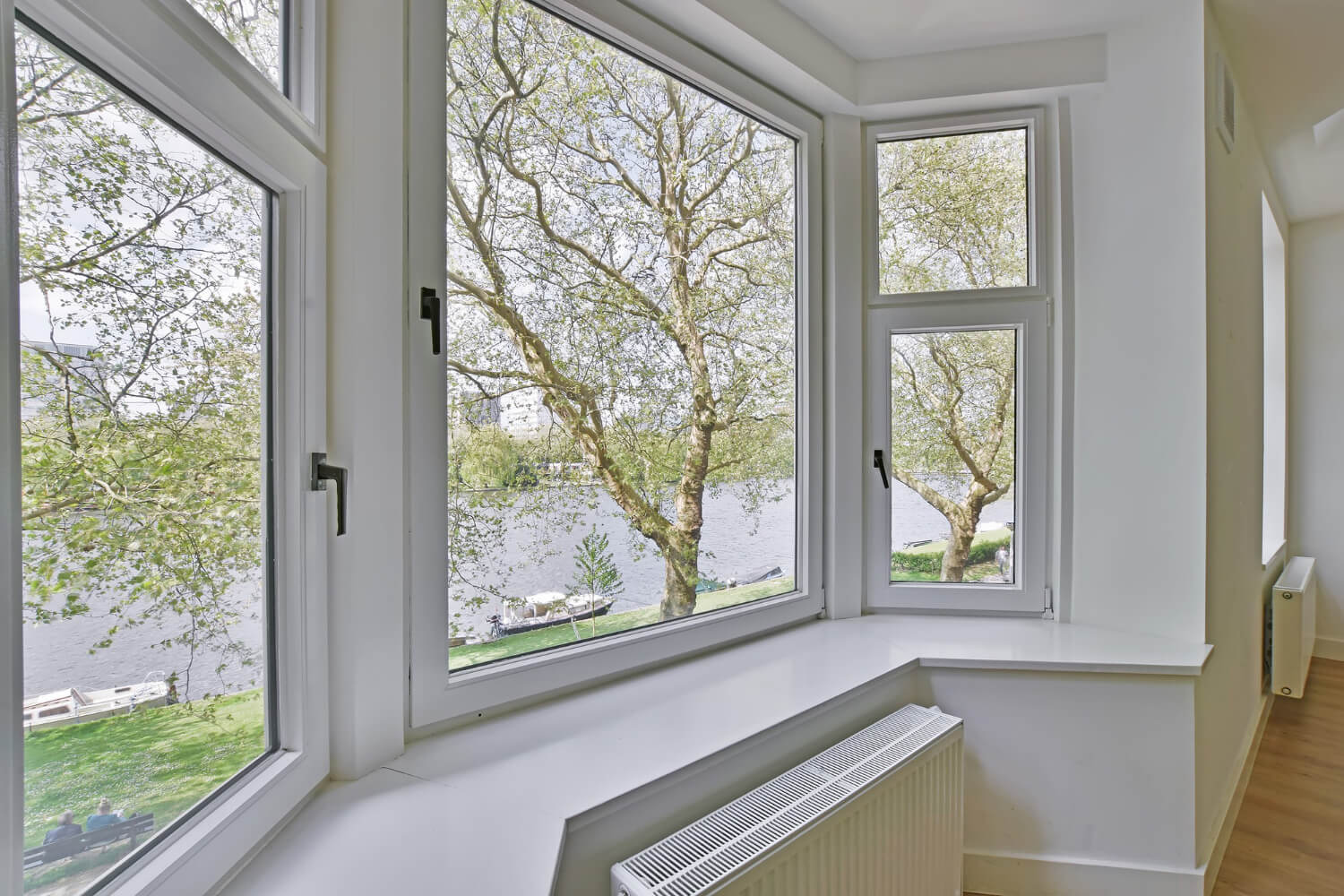
Single Glazing vs Secondary Glazing vs Double Glazing
For comparison purposes, this table assumes the property currently has standard single-glazed windows.
|
Feature |
Single glazing |
Secondary glazing |
Double glazing |
|
Number of glazing layers |
1 |
2 |
2 |
|
Thermal performance |
Low |
Very Good |
Very Good |
|
Draught reduction |
Low |
Very Good |
Very Good |
|
Noise reduction |
Low |
Good |
Good |
|
Retains original window |
Yes |
Yes |
No |
|
Installation disruption |
- |
Low |
High |
|
Can be removable |
No |
Yes |
No |
|
Suitable for listed properties |
- |
Yes |
Rarely |
|
DIY options |
- |
Yes |
No |
|
Typical upfront cost |
- |
££ |
£££ |
At a glance: single glazing vs secondary glazing vs double glazing
Single glazing
Main advantage: no initial cost if there are existing single glazed windows.
Main disadvantage: poor insulation and losing heat and letting in drafts.
Secondary glazing
Main advantage: improves the performance of existing windows without replacing them.
Main disadvantage: takes up some internal window space.
Double glazing
Main advantage: provides a complete window upgrade with good thermal performance.
Main disadvantage: more expensive and disruptive to install, as the existing windows generally need to be replaced.
So, as you can see, introducing secondary glazing to your home can make a big difference, increasing thermal performance and reducing noise without the need for costly building work. The other great benefit of secondary glazing is, unlike double glazing, it can be self-installed without the need for workmen or building work.
The science behind secondary glazing
If you’re asking yourself, ‘how effective is secondary glazing?’, it helps to understand what happens when you add a second pane to an existing window. Much like double glazing, secondary glazing creates an additional barrier between the warm air inside your home and the colder air outside. The difference, the panes are not one unit.
The air gap between the panes
Ever been told to ‘layer up’ when heading out hiking? This science is much the same to that of wearing multiple layers when braving the great outdoors. The space between the original window and the secondary glazing creates a layer of relatively still air. Air is a poor conductor of heat compared with materials such as glass or metal, so this gap helps slow the movement of heat from the warmer side of the window to the colder side.
In simple terms, during winter, heat from your home must pass through the secondary pane, the air gap and the original window before reaching the outside. Adding this extra layer increases the resistance to heat transfer and can make the inside of the window feel warmer.
Why sealing matters
The key to effective secondary glazing system is the fit and seal. How well the system seals around the window can have a significant effect on its performance. If there are gaps around the secondary panel, cold air can enter and warm air can escape, reducing the benefit of the additional glazing layer.
Our Magnetic Secondary Glazing Kits use self-adhesive magnetic tape to attach your cut-to-size acrylic panel to the existing window frame. The strong magnetic system creates a tightly sealed additional layer over the original window, reducing draughts and retaining heat while maintaining a sleek finish.
Can secondary glazing reduce your heating bill?
When discussing reducing heating bills, we’re looking at a home’s energy efficiency. Many aspects contribute to a home’s energy performance including insulation, heating systems and of course window condition. Improving the energy efficiency of your windows with secondary glazing can help reduce heat loss and potentially lower your energy bills, according to the Energy Saving Trust.
Although it’s not to possible to put an exact figure on household savings, a study by Historic England showed that secondary glazing can reduce window heat loss by over 60% which, in turn, could help shrink your heating bill.
Is secondary glazing suitable for period and listed buildings?
Finances and building work aren’t the only reasons why the change to double glazing hasn’t been made. It may be that your home is a listed building, with certain protections put in place to keep the original windows. This is particularly common situation with Victorian and Edwardian sash windows.
If this is your predicament then secondary glazing can be particularly useful. By installing magnetic secondary glazing, you can still enjoy the period features you fell in love without the cold chill. Better still, the secondary glazing can be removed in the summer months, so you can enjoy opening your sash windows on warm days.

Which secondary glazing kit is right for my windows?
We offer two cut-to-size secondary glazing kits, Standard Magnetic Secondary Glazing Kit and Extreme Magnetic Secondary Glazing Kit. The right kit depends largely on the size of your window and the overall panel perimeter.
Standard Magnetic Secondary Glazing Kit
The Standard Magnetic Secondary Glazing Kit is designed for typical window sizes of under 4500mm where a straightforward, removable secondary glazing solution is required.
The kit includes a cut-to-size acrylic panel, cut to bespoke to your measurements, magnetic tape and fixing clips is specs require.
Extreme Magnetic DIY Secondary Glazing Kit
The Extreme Magnetic DIY Secondary Glazing Kit is designed for larger panels of above 4500mm or particularly draughty windows where a stronger magnetic fixing system is more appropriate.
This kit uses thicker acrylic and stronger magnetic tape to withhold the extra weight.
For a neat, professional-looking finish, we recommend finishing your secondary glazing with Magnetglaze Extreme Finishing Trim. The self-adhesive trim is available in white or brown and can be easily mitred with strong scissors to create a clean finish around the installation.
Please note magnetic secondary glazing kits are not recommended for sloping windows or roof lights.
Is secondary glazing worth it?
We certainly think so. Our cut-to-size acrylic magnetic secondary glazing kits are lightweight and mess-free, making them easy to self-install. They also offer excellent optical clarity, so you don’t have to sacrifice sunlight.
If you’re putting up with draughty, cold, single-glazed windows that you’re either not ready or unable to replace, secondary glazing can be a great way to improve their performance without a full window refit. Adding secondary panels can help reduce heat loss, draughts, outside noise and condensation, keeping you cozy throughout the colder months.