0113 249 2222



In this blog, we’re going to take a deep dive into the world of polycarbonates, discussing the plastic’s main characteristics, applications and how you can work with polycarbonate in DIY projects. Let’s dive in.
What is polycarbonate?
Polycarbonate is a tough, transparent thermoplastic used in greenhouse glazing, patio covers, sheds and many more DIY projects due to its impact resistance, light weight, UV protection and affordable pricing.
Key properties of polycarbonate
- Strength: polycarbonate is 250 times stronger than glass and 30 times stronger than another popular clear plastic, acrylic. Due to this strength and durability, polycarbonate is used in a variety of safety settings, such as bulletproof ‘glass’, riot shields and safety glazing.
- Light transmission: polycarbonate is highly transparent, allowing around 88% of natural light through. This makes it perfect for greenhouse glazing, summerhouses and conservatories. It is often treated with UV protective filters, making it ideal for protecting you and your family from the sun.
- Lightweight: polycarbonate is roughly half the weight of traditional glass and lighter than many woods and plastics. This makes it much easier to handle than many other materials.
- Workability: polycarbonate can be easily cut, bent and fixed with nuts, screws or bolts. It can be shaped as required and is suitable for thermoforming and machining.
- Impact resistance: polycarbonate has excellent impact resistance, making it suitable for routing and use in both DIY and engineering settings.
- Heat resistance: polycarbonate offers excellent heat resistance, dimensional stability, shock resistance and resistance to humidity. It remains stable in demanding temperatures and applications where other materials cannot be used.
In summary, polycarbonate combines strength, transparency, and flexibility, making it one of the most versatile plastics for DIY and professional projects.
What is polycarbonate used for?
Polycarbonate is widely used by both professionals and everyday consumers. You’ll find polycarbonate in projects by manufacturers, engineers and DIYers alike, as they all utilise different characteristics of this versatile material. Its applications include:
Construction and roofing
Because of its lightweight and robust properties, and its affordability, polycarbonate is perfect for construction and roofing. It serves as a great substitute for glass, canopies, cladding and both interior and exterior use.
It’s an excellent choice for applications where sheet metal lacks viability, when transparency is needed and when a non-conductive material with good electrical insulation is required.
Greenhouses and glazing
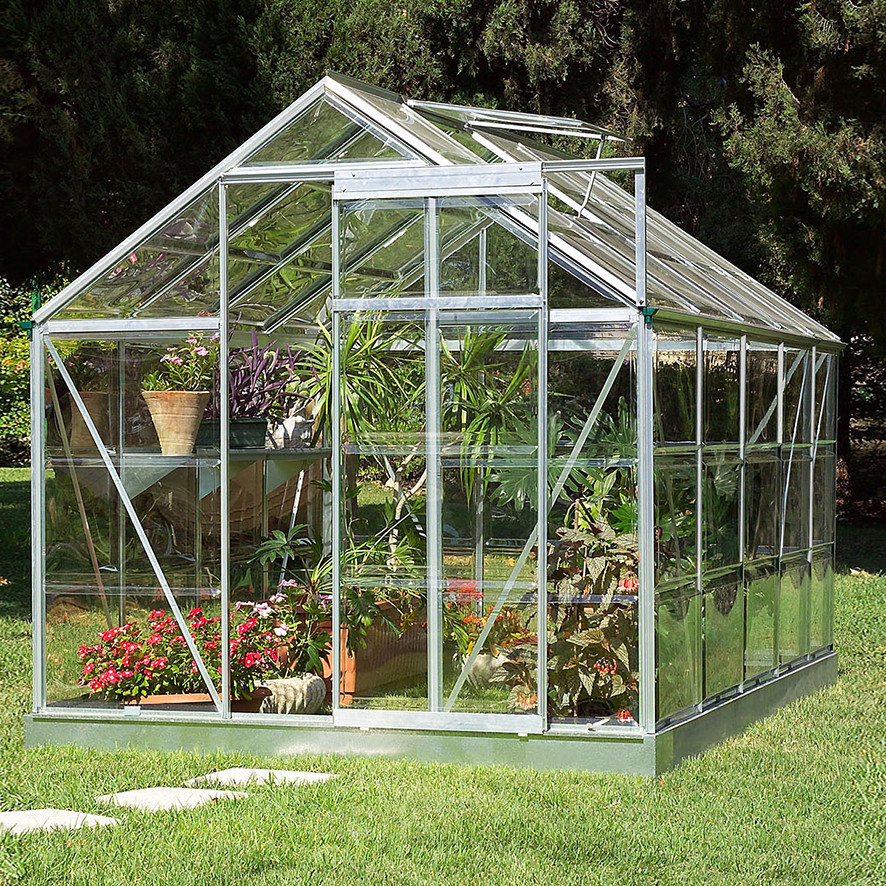
Polycarbonate’s robust construction, UV resistance and high light transmission make it perfect for glazing. From greenhouses and cold frames to sheds and more, polycarbonate is a popular substitute for glass.
Safety equipment
Its durability and impact resistance mean that polycarbonate is a popular choice when building safety equipment, from safety goggles to shatter-resistant glazing.
DIY and home projects
Its qualities make polycarbonate perfect for DIY and home projects. Whether you are building your own greenhouse, protecting a table, or more, cut-to-size polycarbonate offers the perfect way to get the plastic products you need for your home and garden projects.
Other uses of polycarbonates
Polycarbonate is a wonder material found in:
- Technology such as CDs, DVDs and mobile phones.
- Automotive and aircraft components such as headlamps and windscreens.
- Medical applications and equipment such as safety goggles.
- Construction materials such as roofing and sound walls on motorways.
Polycarbonate vs Acrylic
| Polycarbonate | Acrylic | |
| Strength | Very high strength | Moderate strength |
| Clarity | High light transmission | Very high light transmission |
| Workability | High workability | Very high workability |
| Weight | Lightweight | Lightweight |
| UV resistance | Moderate (needs treatment) | High UV resistance |
| Price | Moderate affordability | High affordability |
Need polycarbonate for your next project? Click here to order your bespoke cut-to-size Polycarbonate sheet.
The Different Types of Polycarbonates
Polycarbonate is produced in different grades (and prices) by several manufacturers. Common brands include Makrolon, Palsun, Lexan and Marlon. Types of polycarbonates include:
- Polycarbonate sheets: a high-impact sheet often available cut to size, routed and bespoke for your project. Perfect for DIY and professional jobs, including as a glazing alternative.
- Polycarbonate mirror: delivers the reflective quality of glass with superior properties, such as significantly greater impact strength, resistance to heat and improved dimensional and UV stability.
- Twinwall and multiwall polycarbonate: a multi-layer polycarbonate that is a popular choice for roofing.
- Hard-coated polycarbonate: sheets are also available with a hard coating applied to give a tougher finish and improve scratch resistance.
- UV protected: polycarbonate needs to be treated to be fully UV resistant and is sold as such.
Remember to choose your polycarbonate based on its end use. Standard polycarbonate may be adequate for some applications, but where exposure to sunlight will occur or scratch resistance is important, other grades will provide better long-term performance.
How to cut polycarbonate
Cutting polycarbonate is straightforward if you use the right tools and technique. Thanks to its high impact resistance and flexibility, it’s much less likely to crack than other plastics – but it can still scratch if handled incorrectly.
Tools needed to cut polycarbonate
To cut Polycarbonate you’ll need:
- Appropriate space and level surface.
- Ruler.
- Non-permanent marker.
- Clamp.
- Saw.
- Light sandpaper.
The best cutting method depends on the thickness of your sheet:
- Fine-tooth saw (hand saw or circular saw): ideal for thicker sheets.
- Jigsaw: great for curves or detailed cuts.
- Utility knife: suitable for thin sheets (typically under 3mm).
- Table saw: best for precise, straight cuts in thicker material.
Step-by-step guide for cutting Polycarbonate
- Measure and mark your cut line: use a ruler or straight edge and a non-permanent marker to ensure accuracy.
- Secure the sheet: clamp the polycarbonate sheet firmly to a stable surface to prevent vibration.
- Keep the protective film on: if it’s still there, leave the film in place while cutting to avoid scratches.
- Cut slowly and steadily: use a fine-tooth blade to reduce chipping and avoid high speeds, which can cause melting.
- Support the sheet fully: ensure both sides of the cut are supported to prevent cracking or snapping.
- Smooth the edges if needed: lightly sand rough edges with fine-grit sandpaper for a clean finish.
If you don’t have access to the tools or equipment needed to cut Polycarbonate, you can order bespoke cut-to-size polycarbonate and get it delivered to your door. Simple input your dimensions, choose your shape and extras and hit order here.
How to glue polycarbonate sheets
Polycarbonate sheets can be glued together at home in two ways. Here’s how you can do it:
Clean the polycarbonate sheets
Before you begin, make sure your polycarbonate sheets are nice and clean – just rinse them in lukewarm soapy water and wipe in the direction of the grain with a soft cotton, gentle cloth. Dry the polycarbonate off with another soft cloth.
Gluing polycarbonate sheets together
Polycarbonate sheets can be joined together with an epoxide glue. It’s easy, just like gluing two materials together.
Please note you will need to use an epoxide glue: if you use regular glues or solvents your polycarbonate sheets will appear to have tiny little cracks all over the surface and underneath the polycarbonate. You won't be able to feel these cracks and the polycarbonate will remain strong but aesthetically not the clear polycarbonate you bought.
Fusing polycarbonate sheets with methylene chloride
This gives a superior, seamless result and stronger bond (please do this in a ventilated area though as methylene chloride is toxic). Apply your methylene chloride along the edge of your polycarbonate sheet. Go for a small amount and give it a moment to soak into your polycarbonate sheet.
When it feels slightly sticky place this edge onto the surface of the other polycarbonate sheet where you would like it to fuse. Press your two polycarbonate sheets so that they stay in constant contact to get a strong bond. When they can support themselves, leave them to dry for at least 48 hours. Do not put anything onto your polycarbonate during this time as it might damage the bond.
Need help finding the right Polycarbonate for you?
If you have any further questions about polycarbonate or require help with a project do let us help. Our people are plastic experts and ready to help you with your next project. Get in touch here.
Are you ready to find the right plastic product for you? Dive into our Polycarbonate products right here or explore the rest of our plastics here.