0113 249 2222



As tradespeople and DIYers, we’re used to thinking about whether a material is strong enough, stable enough and suitable for the job. But increasingly, it’s worth considering another question: where did it come from, and what impact does choosing it have on the environment? If you have a client asking for a green build using eco-friendly products, it’s important you can answer any questions they may have.
So what about plywood? In this guide, we’ll take a closer look at plywood properties, its environmental impact and the choices you can make to keep your woodwork projects more sustainable, without compromising on performance.
Is plywood sustainable?
Yes, plywood can be a sustainable and eco-friendly building material when responsibly sourced and manufactured. Its efficient use of timber, durability and potential for reuse and recycling offer significant environmental benefits. While factors such as adhesives and unsustainable forestry can affect its impact, these can be reduced through responsible production. Overall, plywood is a sustainable choice when produced and used responsibly.
Why is plywood considered a sustainable material?
The hunt for eco friendly products isn’t as always as clear cut as we would like it to be. As with any material, not all plywood is the same, and the environmental story depends on how it is sourced, manufactured, used and eventually disposed of.
Simply put, we are looking for a material that gives more than it takes through it’s whole lifecycle, including source, manufacturing, transportation and disposal.
So let’s look at what makes ply sustainable.
Renewable Source
Plywood is made from wood, a renewable resource. Unlike finite materials such as oil and coal, we are constantly growing more trees. According to the FAO, globally, around 6.78 million hectares of forest expanded each year between 2015 and 2025, through new planting and natural regeneration.
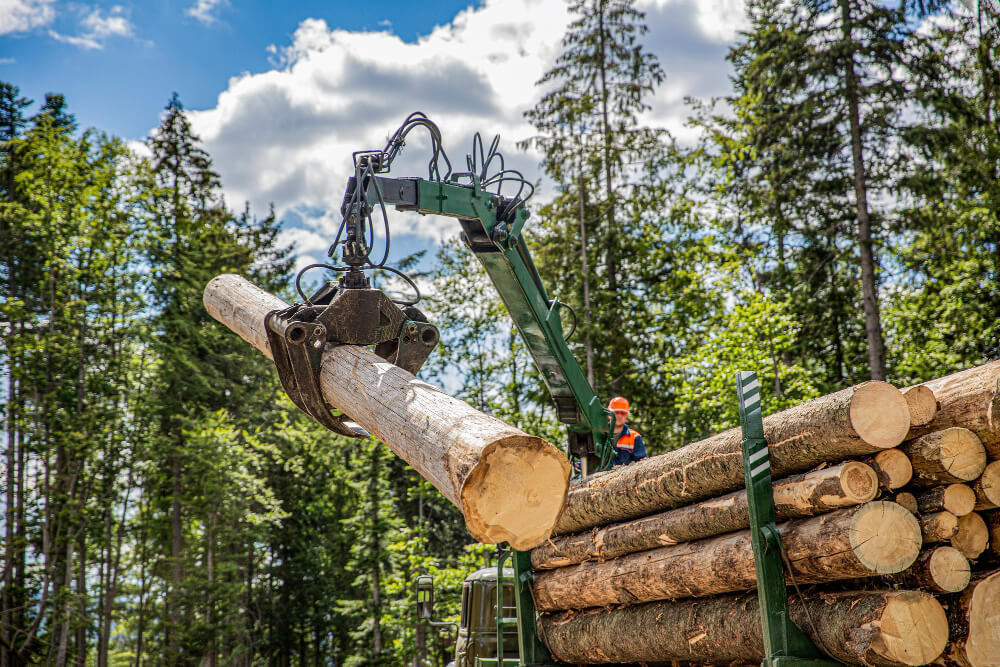
The tree species used to make ply, such as spruce and slash pine, don’t have to grow for hundreds of years before they can be harvested. In the right conditions, fast growing species can be grown on rotations of around 20–30 years. Once harvested, responsibly managed forests can be replanted or naturally regenerated and grown again.
Tip: if sustainability is a priority for you or your client, look for plywood with recognised forest certification such as Forest Stewardship Council (FSC). If a plywood is FSC certified, like our Plywood Softwood Elliottis, this give a clear indication that the timber has come from responsibly managed and traceable sources.
Less waste
Another advantage of ply is how efficiently timber can be used. Rather than taking a solid piece of timber and using it as is, plywood is made by peeling or slicing logs into thin veneers and bonding those layers together. This allows manufacturers to get maximum yield from each tree that is felled, with different grades of plywood suited to different applications.
This Plywood grading system also means that timber with slight imperfections, such as knots, doesn’t instantly get discarded. It can be used to produce lower-grade plywood for applications where a flawless surface isn’t necessary, such as floorboards, packaging or general construction.
Built to last
Another important consideration when assessing the sustainability of a material is how long it lasts. The longer you can keep a material in use, the more you’re getting from the timber, energy and resources that went into making it.
Plywood panels have an exceptional strength-to-weight ratio. Compared to solid wood or MDF of the same thickness, ply is often stronger and more durable, meaning less material is needed for many projects. The secret to its strength lies in the bonding process, which is also surprisingly environmentally friendly due to improvements to adhesive technology. Many plywood products meet recognised formaldehyde emission standards, such as E1, which limits the amount of formaldehyde released from the finished panel.
Strong, stable and resistant to warping, plywood is a durable choice from flooring to cabinetry. The excellent longevity plywood offers means, if used correctly, it should rarely need replacing.
Can you recycle plywood?
Plywood is made from layers of timber bonded together with adhesive, so it isn’t as straightforward to recycle as an untreated piece of solid wood. Once plywood has reached the end of its current job, the options available can depend on its condition, its treatment and the facilities available locally.
- Reuse: if the ply is still in good condition and fit for purpose it can be reused even using offcuts for workshop jigs gives unwanted ply a new use.
- Donate: if you have plenty of wood lying around yourself you can donate unwanted ply to community groups or schools.
- Recycle: ply is a class B wood and can be recycled separately from untreated timber. Your local recycling centre should be able to guide on the recycling options for ply in your area.
Making more sustainable choices with plywood
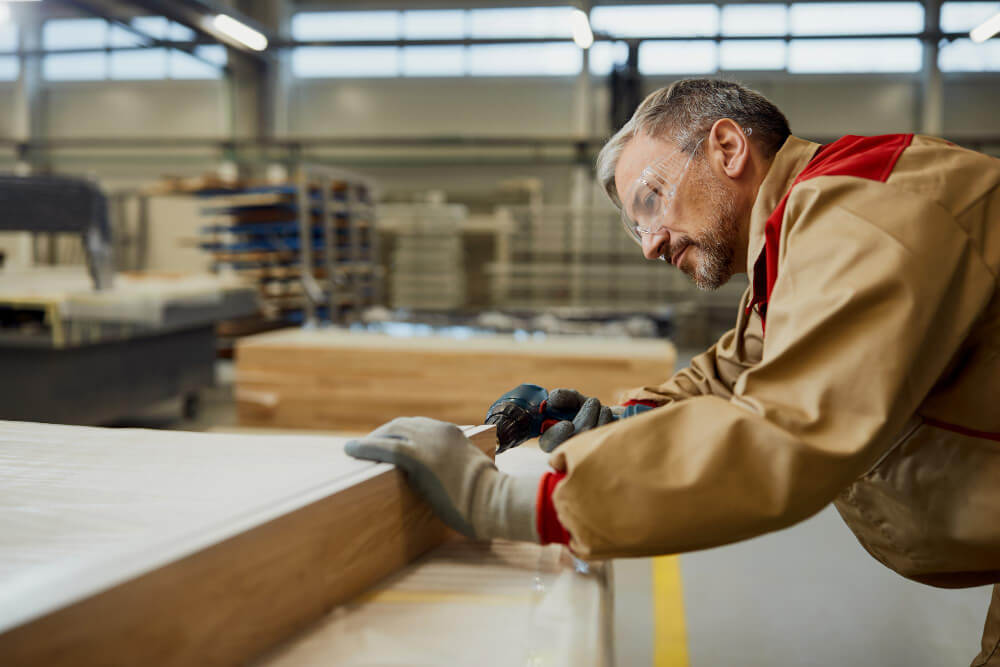
If you’re looking to make your builds and DIY projects more sustainable, it’s not just about buying eco-friendly products. There are some simple changes you can make to reduce waste and get more from the materials you use.
- Check the environmental impact of the materials you are using: from whether your plywood is FSC certified to the distance it has travelled to get to you all makes a difference.
- Build to last: pick materials that are fit for the job. The most eco-friendly product may not always be the best suited for the task. If you’re building an external structure, it’s more sustainable to choose a marine grade plywood built for external conditions than a locally sourced softwood designed for internal use that will need replacing as soon as installed.
- Cut to size: poorly planned cuts can leave you with awkward offcuts that are difficult to use. By measuring your requirements carefully and ordering your plywood already cut-to-size, you can reduce unnecessary waste and make better use of each sheet. Simply enter your panel dimensions into our cut-to-size calculator and we’ll deliver your plywood ready to use, helping you get the most from the material you buy.
- Use offcuts and scraps creatively in other projects: from workshop jigs, to chocks, to Christmas ornaments there’s plenty of uses for those little bits lying about.
- Store your wood properly: one of the most common causes of wasted timber is damage caused by poor storage. Plywood should be stored flat on a level, dry surface, with enough support underneath to prevent the sheets from sagging or bowing. Keep it indoors or somewhere dry and well ventilated, away from direct contact with the floor and protected from rain or damp.
Is plywood a sustainable material?
If you have a client who is particularly interested in eco-friendly materials, or you’re just looking for ways to make your DIY projects more sustainable, plywood is an excellent choice.
It’s a versatile and durable building material that lends itself to a huge range of jobs, from kitchen refits and flooring to roofing and even boat building. Its layered construction makes efficient use of timber while creating a strong, stable sheet that can last for decades. With the right care, that longevity can help reduce the need for replacement and make better use of the resources that have gone into producing it.
By choosing responsibly sourced FSC certified plywood, selecting the right grade for the job and planning your cuts carefully can all help reduce waste. If you’re trying to pick the most environmentally friendly option, take a moment to see where your timber was sourced, choosing a product manufactured closer to where it will be used can also help reduce the impact associated with transportation. For example, our Softwood Spruce plywood is manufactured in Finland using Nordic spruce.
So the answer to the question ‘Is plywood sustainable?’, it’s about making sensible choices: buy the right product, use it efficiently, make it last and waste as little as possible.