0113 249 2222


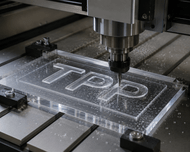
Acrylic is a versatile plastic material that combines exceptional clarity with impressive durability. It’s one of our most popular materials because it’s easy to work with and suitable for a range of applications from greenhouse glazing to signage. When shopping for acrylic plastic, you'll often come across two options: cast acrylic and extruded acrylic.
To look at, there’s very little difference. Both offer excellent clarity, are lightweight compared to glass, and can be cut to size for countless applications. So why are there two different types? What’s the difference? And what are the ideal applications for each?
How acrylic plastic sheet is made
The difference between cast and extruded acrylic lies in the manufacturing process. Acrylic plastic, be it cast acrylic or extruded, is a thermoplastic known scientifically as polymethyl methacrylate (PMMA). Although they’re made of the same material, it’s the variation in how the material is first formed that makes them different. These differences can have a significant impact on performance, appearance, suitability and cost.
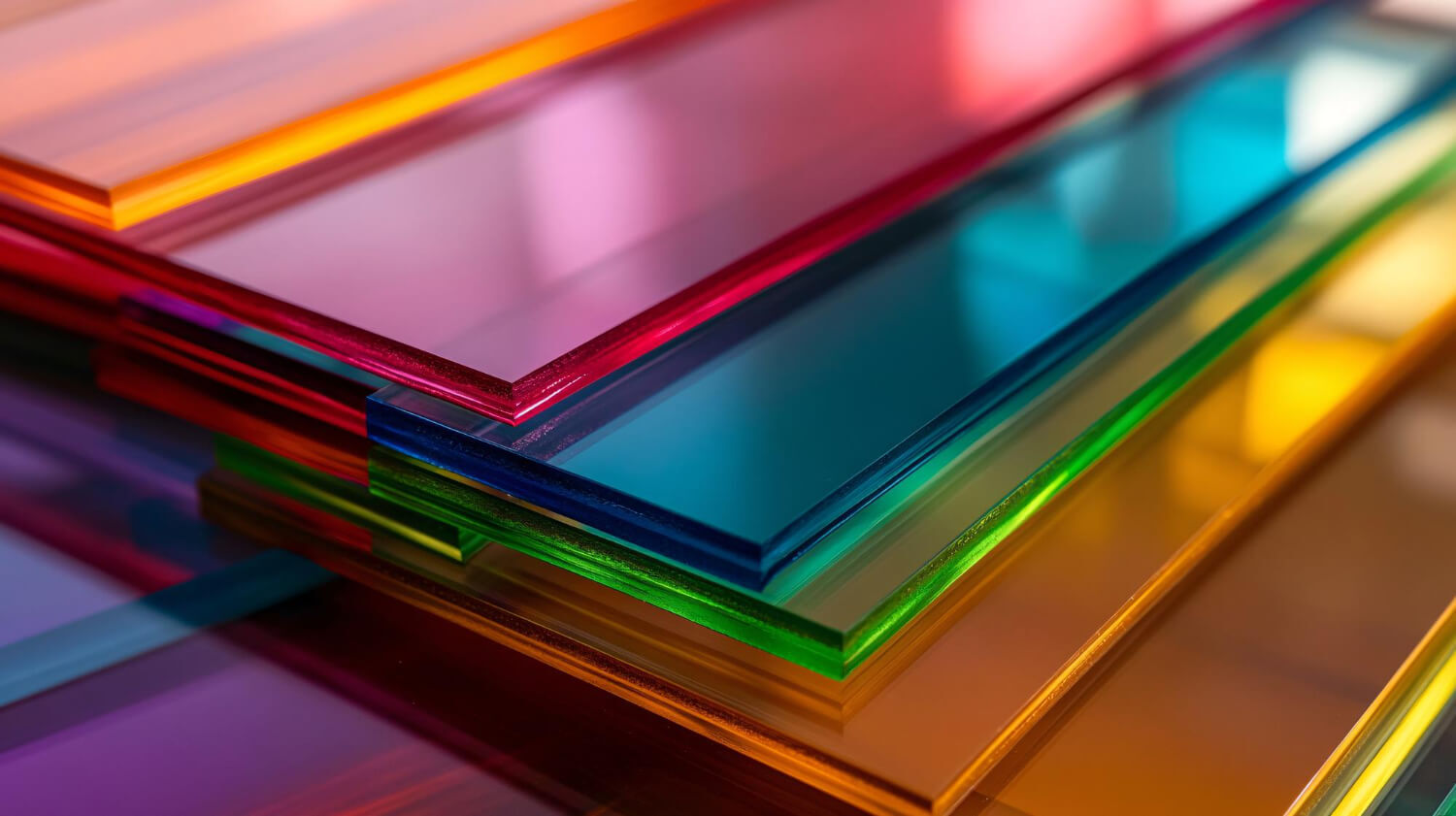
How cast acrylic is made
There are two methods used to manufacture cast acrylic: cell cast and continuous cast. Cell cast is by far the most widely used process.
- Raw ingredients, liquid methyl methacrylate (MMA), solid acrylic pellets (PMMA) and optional colour pigments, are combined in a mixing tank.
- The liquid acrylic is poured between two sheets of glass (the cast) and sealed in place by a surrounding gasket; this gasket also determines the thickness of the finished sheet.
- The moulds are placed into temperature-controlled ovens. As the mixture heats up, the liquid MMA undergoes a chemical reaction called polymerisation, forming long chains of PMMA molecules.
- After a long curing process, the sheets are cooled slowly under carefully controlled conditions. This helps relieve any internal stresses created during manufacturing, resulting in a stronger, more stable material.
Cast acrylic is often regarded as the premium choice. Thanks to its slow, careful manufacturing process it offers excellent clarity and enhanced scratch/chemical resistance. It also performs exceptionally well during machining and engraving, making it perfect for high-end displays, engraved signage and any project where appearance and finish are a priority. As cast acrylic plastic is made in smaller quantities, it offers far more scope in terms of colours, finishes and thicknesses.
The Plastic People's bestselling cast acrylic plastics
Clear Perspex Cast Acrylic – combining outstanding clarity, strength and durability, this product is perfect for premium projects. Lightweight, weather-resistant and easy to fabricate, it’s a premium alternative to glass for everything from displays to laser-engraved signage.
Coloured Perspex – top-performing acrylic plastic in a rainbow of bright colours. These are durable against chemicals and regular cleaning, it’s a great choice for a kitchen splashback or cut to eye-catching coloured acrylic letters.
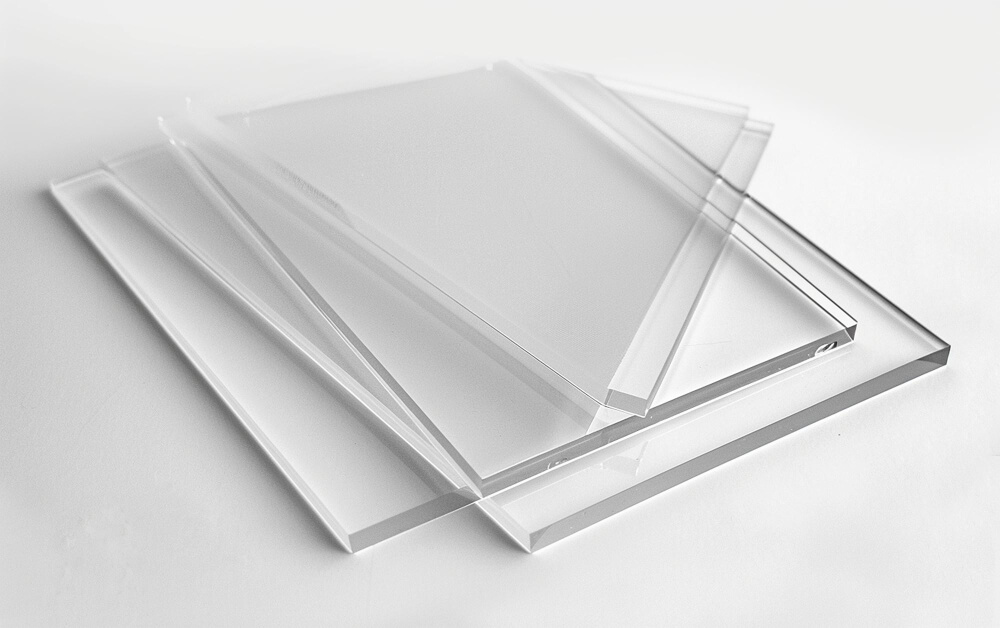
How extruded acrylic is made
Unlike cast acrylic, which can be produced in small batches, extruded acrylic is manufactured using a continuous process designed for efficient, high-volume production.
- Acrylic pellets are fed into an extrusion machine. As the pellets move through the barrel, they’re heated until they melt into a thick liquid.
- This molten acrylic is then forced through a specially shaped opening, known as a die, creating one continuous sheet of acrylic. The sheet passes through a series of calendar rollers, which determine the final thickness and surface finish.
- Once cooled, the continuous sheet is cut to size.
Extruded acrylic offers strong performance at a more affordable price point. Although range may be smaller due to production scale, it’s a cost-effective solution for many everyday projects such as glazing and surface protection.
The Plastic People's bestselling extruded acrylic plastics
Clear as Glass Acrylic Perspex – a lightweight, durable and cost-effective alternative to glass, offering excellent clarity and up to 17 times the impact resistance. Available cut to size in thicknesses from 2mm to 12mm, they’re ideal for large glazing projects.
Acrylic Perspex White, Opal, Black – these cut-to-size neutral tone acrylic sheets offer an attractive solution for a wide range of commercial and DIY projects. From displays to lightboxes, they deliver excellent performance with a professional finish.
Cast acrylic vs extruded acrylic: Side-by-Side Comparison
Feature |
Cast Acrylic |
Extruded Acrylic |
|
Cost |
Higher |
Lower |
|
Optical Clarity |
Excellent |
Very good |
|
Scratch Resistance |
Excellent |
Very Good |
|
Chemical Resistance |
Excellent |
Moderate |
|
Thickness Options |
Wider range |
More limited |
|
Laser Engraving |
Excellent |
Moderate |
|
Laser Cutting Thermoforming |
Excellent Good |
Excellent Excellent |
|
Thickness Tolerance |
+/- 10%-15% |
+/- 5% |
Choosing the right acrylic plastic for the job
Whether you choose cast or extruded acrylic, both offer the qualities that make acrylic plastic sheeting such a top-rated material. Excellent clarity, impressive impact resistance, low weight compared to glass and good weather resistance make acrylic suitable for everything from glazing and display cases to signage and fabrication.
However, while the two materials may look almost identical to the naked eye, they perform differently when it comes to fabrication and specific applications. Depending on your project, factors such as laser engraving and heat bending can all influence which type of acrylic is the better choice.
Let’s take a closer look at how cast and extruded acrylic compare across some of the most common uses.
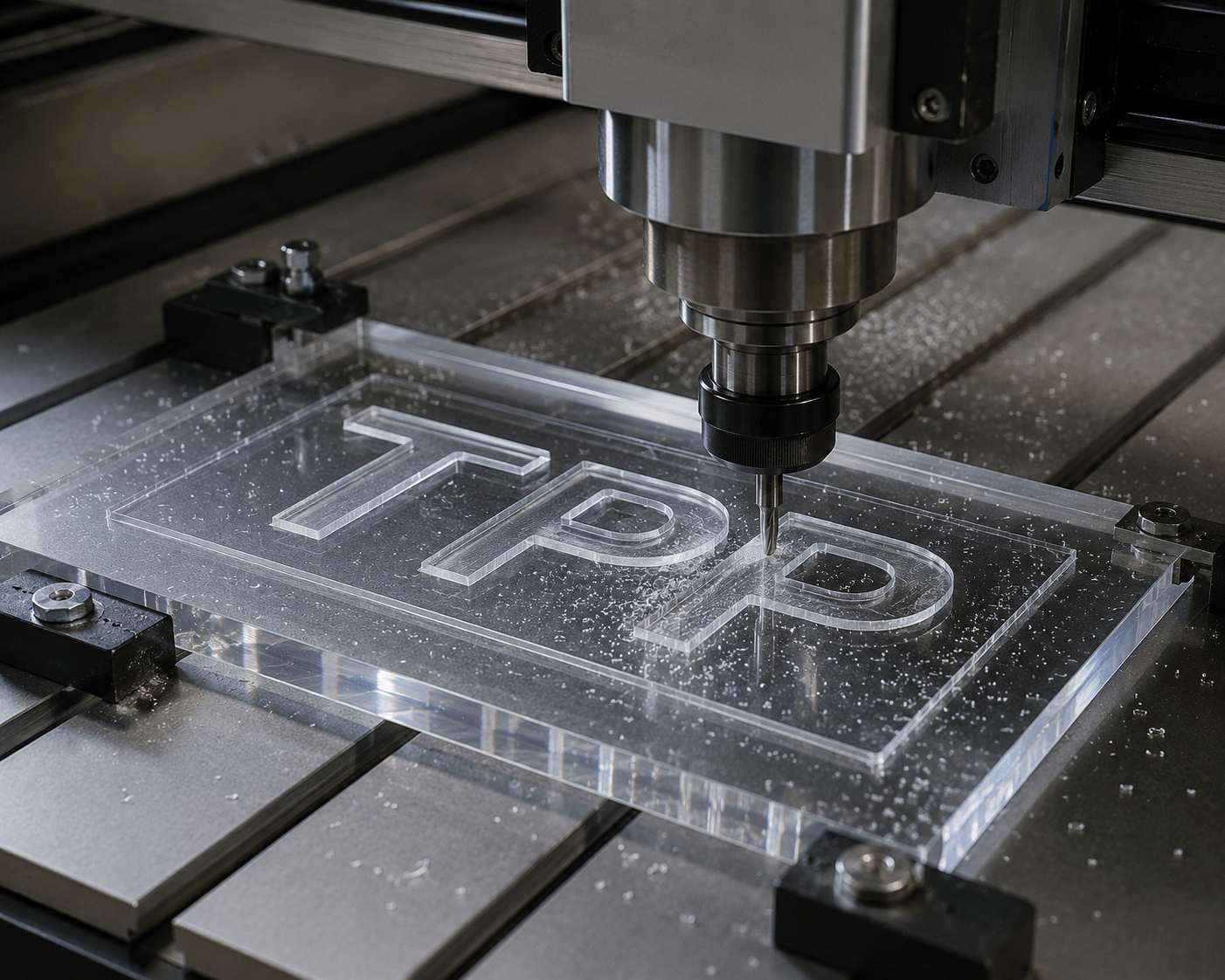
Laser engraving: cast acrylic vs extruded acrylic
Although it’s certainly possible to engrave both types of acrylic sheeting, if you’re after a premium finish then cast acrylic is the best choice. Due to its manufacturing process, extruded acrylic develops a slight grain as it is pushed through the die. As you cut away the top layers of the plastic, the grain will be more visible.
Clear Perspex Cast Acrylic on the other hand, gives a sharp, consistent frosted effect when lasered making it the favourite choice for premium projects.
Cutting: cast acrylic vs extruded acrylic
Acrylics, such as Perspex, are easy to cut at home, offering huge versatility and great performance, whether you are using extruded or cast acrylic. Depending on the thickness, length of cut and complexity of the cut, numerous methods can be effective.
- Scoring and snapping – ideal for a thin plastic sheet
- Circular saw – long straight lines
- Jigsaw – curved lines and shapes
- Laser cutting – all projects
You can see our full guide on how to cut acrylic plastic at home here.
Cutting plastic is what we do! If you know the exact dimensions for your acrylic sheeting panels, then save yourself time and effort with our cut to size plastics. Just tell us the dimensions and shape you desire, and we’ll cut your acrylic to your exact specifications.
Heat bending and thermoforming: cast acrylic vs extruded acrylic
This is a hard one to answer with each handler having a personal performance as to which type of acrylic sheet is most suited to bending, moulding and thermoforming. It really depends on the thickness of plastic, the tools being used and the handler.
Scientifically speaking, extruded acrylic has a lower melting point, so requires less heat and time to start the bending process so, for many, is the preferred choice for heat bending and thermoforming.
Glazing: cast acrylic vs extruded acrylic
Both cast and extruded acrylic offer excellent clarity and durability making them a lightweight alternative to glass.
However, extruded acrylic is often the more economical option for secondary glazing, shed windows and greenhouse panels. Extruded acrylic also wins for thickness tolerance, with a tolerance of +/- 5% compared to extruded at +/- 10-15% which can be problematic when fitting acrylic into a prebuilt frame.
Cast acrylic may be worth considering for premium glazing applications where enhanced optical quality, textured glazing or specialist thicknesses are important. For most everyday glazing projects, though, extruded acrylic provides excellent performance and value.
Drilling and machining: cast acrylic vs extruded acrylic
Both cast and extruded acrylic can be drilled and machined but they behave slightly differently during the process due to their melting points.
Being able to withstand higher temperatures, cast acrylic is generally favoured for precision machining because it’s more rigid and less prone to melting under heat caused by friction. This allows for cleaner cuts, sharper details and a higher-quality finish, particularly when using CNC equipment or creating intricate components.
Extruded acrylic is typically easier to drill and machine for general-purpose applications. Because it has a lower melting point, it can become gummy if tools are not kept sharp or operating at the correct speeds.
Strength: cast acrylic vs extruded acrylic
The answer depends on what you mean by ‘stronger’.
Cast acrylic has a higher molecular weight, making its surface harder and more resistant to scratches and surface wear. This makes it an excellent choice for applications such as retail displays and machine guards, where maintaining a high-quality finish and visibility is important.
However, when it comes to impact resistance, there’s little difference between them. Both cast and extruded acrylic plastic perform very similarly. Both are significantly more impact-resistant than glass and offer excellent durability for a wide range of applications.
Chemical resistance: cast acrylic vs extruded acrylic
Both cast and extruded acrylic offer good resistance to many household cleaning products and environmental conditions making them a great easy wipe choice for table protectors.
If your acrylic plastic will be in constant contact with chemicals such as aquariums and protective screens, cast acrylic is the safest choice due to its higher molecular density.

Which is the right acrylic plastic for me?
Acrylic is an incredibly versatile material, offering an excellent balance of durability, clarity, ease of fabrication and value. Whether you choose cast or extruded acrylic, both materials can deliver outstanding results when matched to the right application.
When deciding between the two, the key questions to ask are:
- Do I need a premium finish?
- Do I require a specific colour, thickness or surface finish?
- What is my budget?
If appearance is a priority and you’re looking for exceptional optical clarity, enhanced scratch resistance and crisp, high-definition laser engraving, cast acrylic is typically the best choice.
If you after a particular colour of texture, it may be that this is only available as cast due to the ability to manufacture shorter production runs, making the decision for you.
If you're working to a budget or need larger quantities of acrylic sheet where functionality is more important than achieving the highest-quality finish, extruded acrylic offers excellent performance and value for money.
Ultimately, we’re confident in all the products we sell, the right choice depends on the needs of your project.
If you'd like advice on choosing the best acrylic plastic for your project, get in touch with our team. We’ll be happy to help you find the right material, thickness and finish to suit both your project and your budget.