0113 249 2222


DIY Secondary Glazing FAQs – Your Ultimate Guide
DIY secondary glazing has become a popular option for homeowners looking to improve insulation without the cost or disruption of replacing their windows. If you’re unsure whether it’s worth doing, these frequently asked questions should help you make an informed decision.
Does DIY Secondary Glazing Actually Work?
To be completely honest, the most effective long-term solution is usually full double glazing window replacement. However, this isn’t always practical, especially if you’re limited by budget, time, or property restrictions.
In those situations, DIY secondary glazing works well. By adding an extra layer to your existing window, it helps retain heat, reduce draughts and keep energy bills down. While it won’t match the performance of brand-new double glazing window, it can make a noticeable difference to comfort, particularly during colder months.
How Do You Apply Secondary Glazing?
There is no need to struggle with sheets of clingfilm and cellotape! Our new magnetic secondary glazing kits are designed to be straightforward to install, even if you don’t have much DIY experience.
The process is simple:
- Hold the acrylic glazing pane against your window so it overlaps the frame evenly on all sides.
- Using a pencil, draw around the pane onto the window frame.
- Cut and apply the white metal strip from the magnetic tape, sticking it just inside the pencil marks.
- Lift the acrylic pane into place and allow it to click securely onto the frame.
We always recommend you fit your secondary glazing to the main window frame, not the opening part of the window.
For additional tips and visuals, we also have a handy application guide available here.
Which Type Of Secondary Glazing Kit Do I Need?
We supply two types of DIY secondary glazing kits – standard and extreme.
For most homes, the standard kit is more than adequate. It’s ideal for typical windows that need a little extra insulation or draught reduction.
If you’re insulating very large windows, or windows that are particularly draughty, the extreme DIY secondary glazing kit offers a stronger and more secure option.
Can You See Secondary Glazing On The Windows?
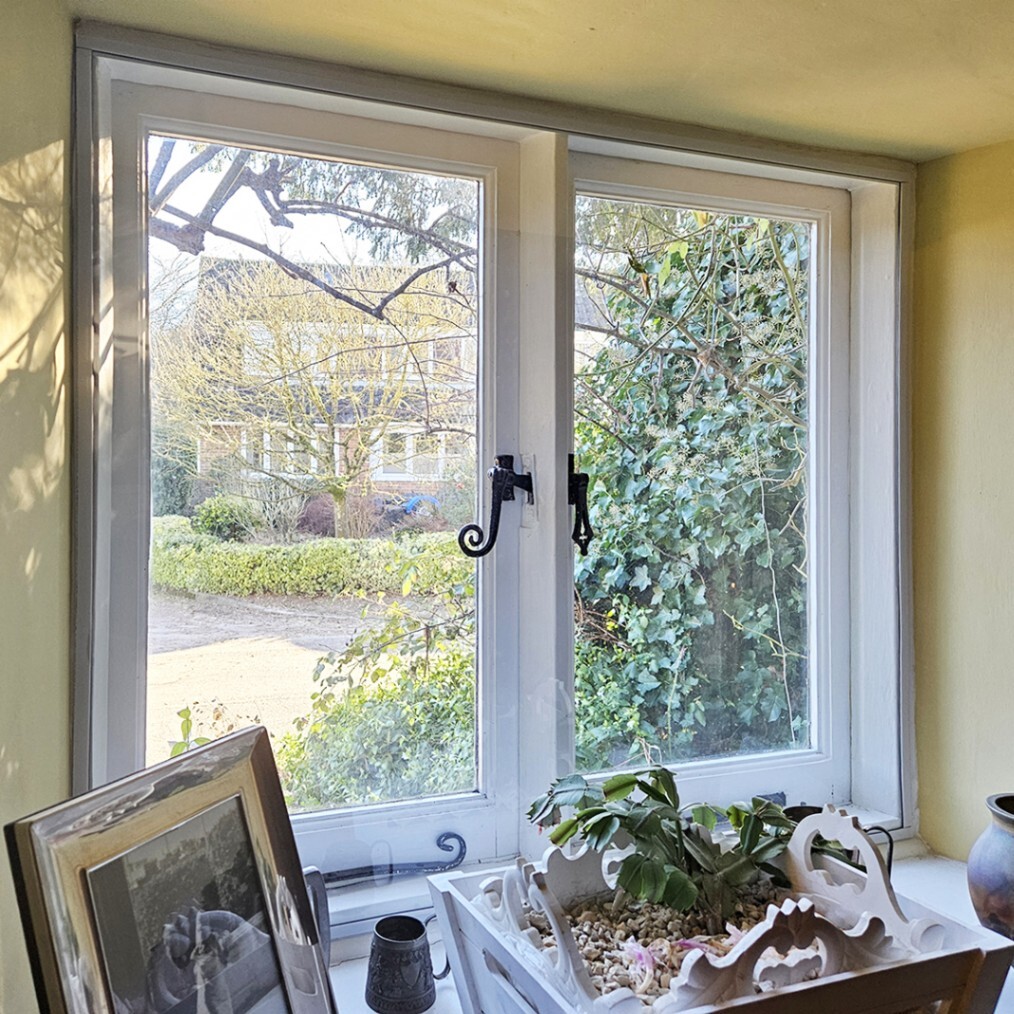
When installed correctly, secondary glazing is very discreet. In most cases, it’s difficult to notice unless you’re looking closely or certain lighting conditions highlight the acrylic.
The glazing is a thin, clear sheet that sits neatly within the frame, so it shouldn’t interfere with your view outside and is generally unnoticeable from a distance.
How Long Does DIY Secondary Glazing Last?
With normal use and care, DIY secondary glazing can last for several years. The acrylic panels are durable, and the magnetic system allows you to remove and refit the glazing whenever needed, such as during warmer months.
To keep it in good condition, avoid abrasive cleaning products and store panels flat if they are removed. If required, the magnetic tape can also be easily replaced over time.
Is DIY Secondary Glazing Worth It?
If replacing your windows isn’t an option right now, DIY secondary glazing is a practical and affordable way to improve warmth, reduce draughts and make your home more energy efficient. It’s quick to install, easy to maintain and delivers clear benefits with minimal disruption.