 0113 249 2222


Quick Material Guide
When choosing shaker wall panelling, MDF is typically preferred for painted interiors due to its smooth finish, dimensional stability and cost-effectiveness. Timber offers natural grain and traditional authenticity but comes at a higher cost and may require additional preparation. Your choice depends on budget, finish type and installation environment.
What Is Shaker Panelling?
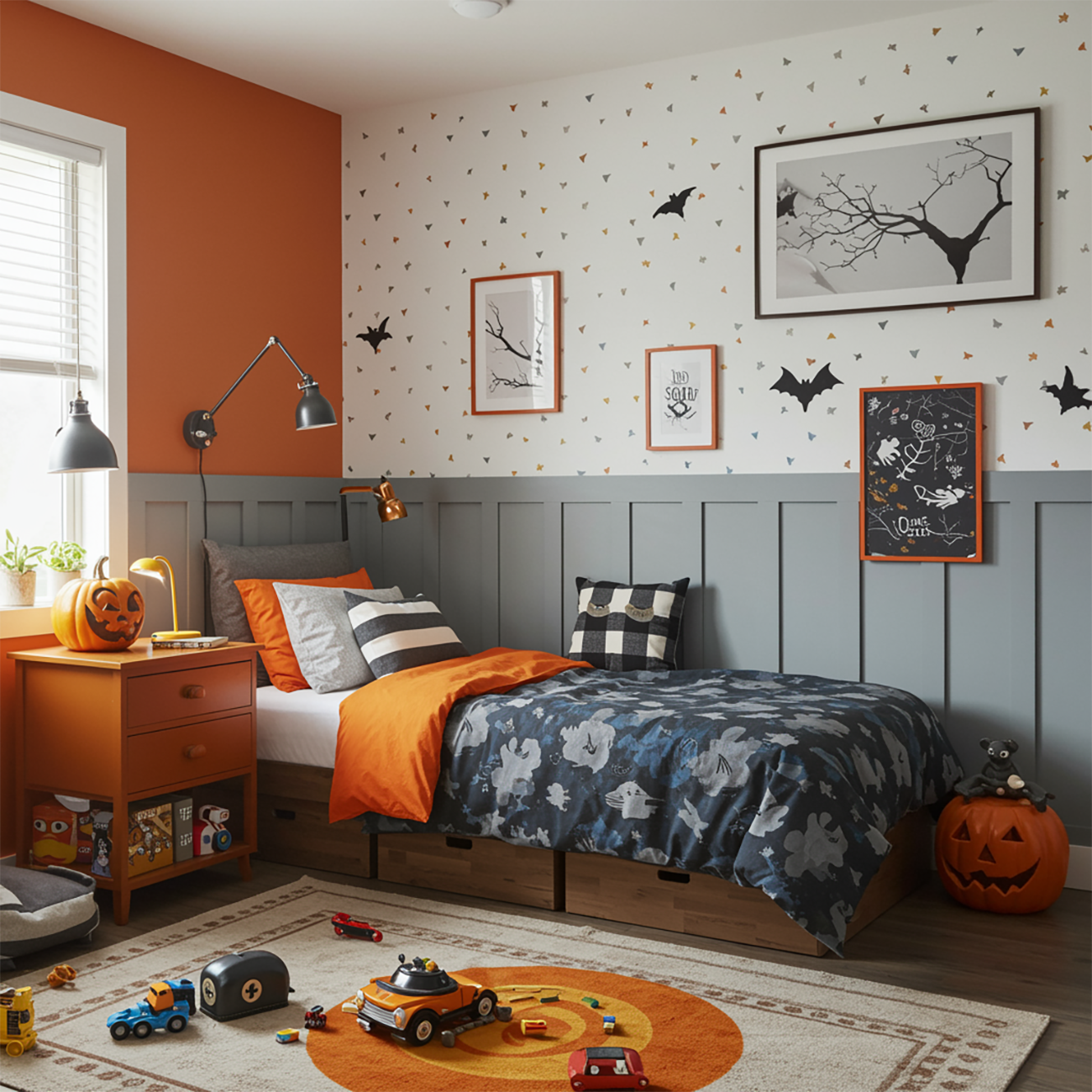
Shaker panelling is a decorative wall system made from evenly spaced vertical and horizontal strips. It creates a clean, framed grid appearance commonly used in living rooms, hallways and bedrooms. Modern shaker panels are typically made from either MDF or solid timber.
MDF Shaker Panels – Advantages & Considerations
Advantages:
- Smooth, knot-free surface ideal for painting.
- Consistent thickness and straight edges.
- Cost-effective compared to timber.
- Easy to cut and install.
- Less prone to warping in stable indoor environments.
Considerations:
- Not suitable for prolonged moisture exposure unless using moisture-resistant grade.
- Must be primed before painting.
Best for: Painted feature walls, hallways, bedrooms and living spaces.
Timber Shaker Panels – Advantages & Considerations
Advantages:
- Natural wood grain aesthetic.
- Suitable for stained or varnished finishes.
- Traditional material choice
Considerations:
- Higher material cost.
- May contain knots or imperfections.
- Can expand or contract with humidity changes.
- Requires more preparation before finishing.
Best for: Rustic interiors, natural wood finishes and heritage-style properties.
Cost Comparison
MDF shaker panels are generally more affordable than solid timber. They also reduce installation time when supplied as pre-cut kits. Timber typically carries a higher material and labour cost due to preparation and finishing requirements.
Finish & Appearance
If the intention is to paint the panels, MDF provides a smooth, uniform surface with minimal preparation. Timber is more suitable where a natural wood appearance is required. For most modern painted interiors, MDF delivers a cleaner finish.
Moisture & Environment Considerations
For areas such as kitchens or hallways, moisture-resistant MDF should be specified. Standard MDF should not be used in high-humidity environments such as bathrooms without proper sealing. Timber can tolerate minor moisture changes but may expand or contract over time.
Installation Differences
MDF strips are easy to cut and bond using grab adhesive. Timber may require additional sanding and preparation before painting or staining. Both materials require careful measuring and levelling during installation.
Which Should You Choose?
Choose MDF if:
- You plan to paint the panels.
- You want a smooth, modern finish.
- You are working to a budget.
- You want easier installation.
Choose Timber if:
- You want a natural wood finish.
- You prefer traditional materials.
- You are creating a heritage or rustic aesthetic.
Frequently Asked Questions
Is MDF better than timber for shaker panels?
For painted interiors, MDF is often the preferred choice due to its smooth finish and cost-effectiveness.
Can timber shaker panels be painted?
Yes, but additional preparation may be required to achieve a smooth finish.
Which lasts longer?
Both materials can last for many years in stable indoor environments when properly installed and finished.
Useful Guides
- MDF Shaker Panel Kits.
- How to Install Shaker Panelling.
- Shaker Panel Buying Guide (MDF vs Timber).
- Shaker Panel Layout Ideas & Design Guide.
- MDF Sheet Cut-to-Size.