 0113 249 2222


Quick Installation Overview
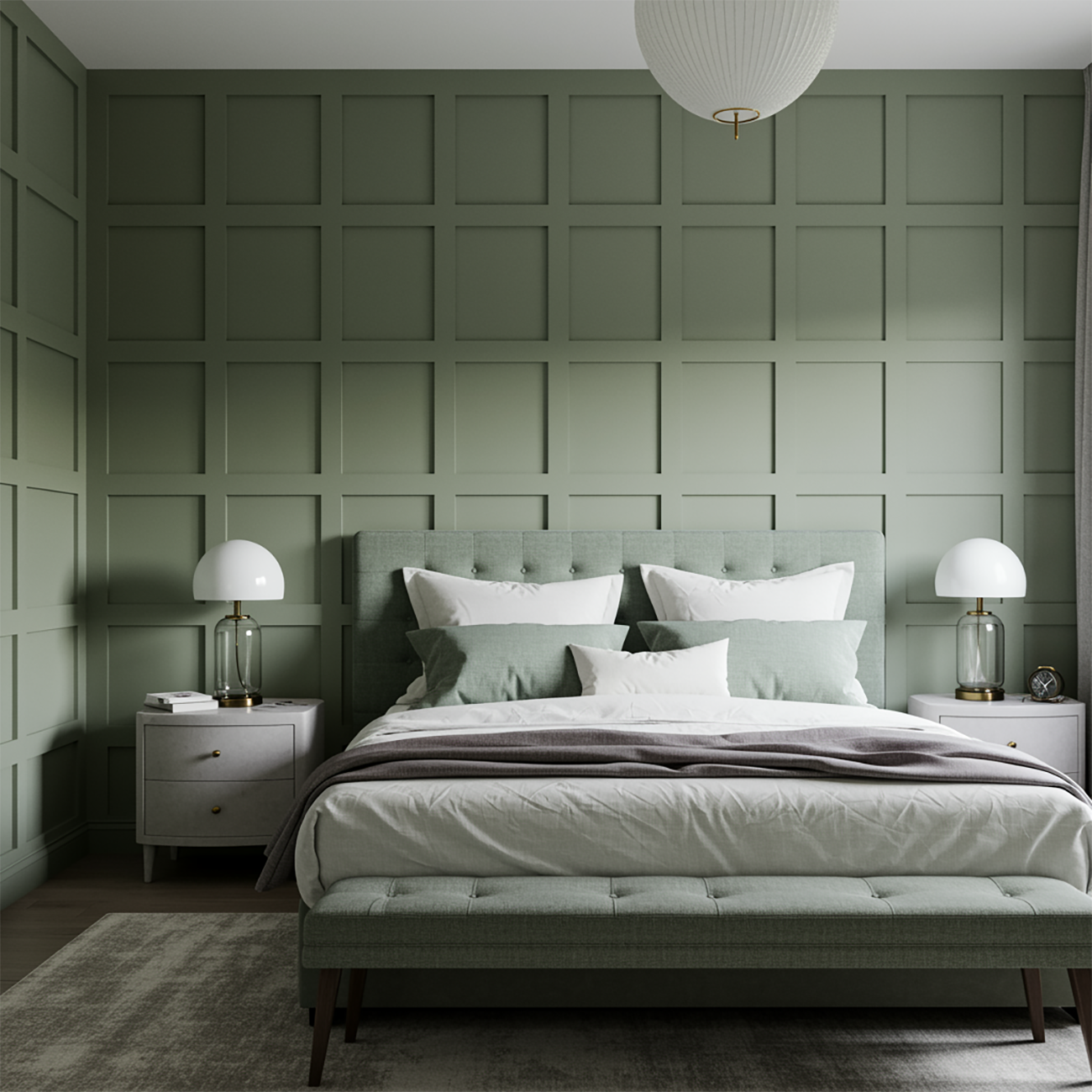
Shaker wall panelling is installed by fixing evenly spaced MDF strips to a wall to create a framed grid design. Installation involves measuring and marking the layout, fixing outer frame pieces first, then installing internal vertical and horizontal strips. Once fitted, joints are filled, sanded and painted for a seamless finish.
What Is Shaker Panelling?
Shaker panelling is a decorative wall treatment made from evenly spaced vertical and horizontal strips. It creates a clean, square-edged grid pattern often used in living rooms, hallways, staircases and bedrooms. Modern shaker panels are typically made from MDF due to its smooth surface and ease of painting.
Tools & Materials Required
Tools:
- Tape measure.
- Spirit level or laser level.
- Pencil.
- Mitre saw or fine-tooth hand saw.
- Caulking gun.
- Sandpaper.
Materials:
- MDF shaker panel strips or kit.
- Grab adhesive (high-strength).
- Decorators caulk or filler.
- Primer suitable for MDF.
- Paint (eggshell, satin or matt finish).
Step 1 – Measure Your Wall
Measure the total height and width of the wall. Decide on your layout style (full wall grid, half-height panelling, or feature panels). Sketch the design before starting to ensure symmetry and equal spacing.
Step 2 – Mark The Layout
Using a level, mark the outer frame first. This usually includes:
- A top horizontal rail.
- A bottom rail (if full height).
- Side vertical pieces.
Mark internal vertical sections evenly. Spacing should remain consistent across the wall for a professional finish.
Step 3 – Cut The MDF Strips
If not supplied pre-cut, cut MDF strips to length using a mitre saw or fine-tooth hand saw. Check each piece against the wall before applying adhesive.
Step 4 – Fix The Outer Frame First
Apply grab adhesive to the back of each strip in a zig-zag pattern. Press firmly onto the wall and check alignment with a level. Fix the full perimeter before installing internal pieces.
Step 5 – Install Vertical & Horizontal Strips
Fit vertical strips first, checking spacing and alignment. Once vertical sections are secure, measure and cut horizontal cross pieces to fit between them. Ensure all joins are tight.
Step 6 – Fill & Finish
Once adhesive has set:
- Fill joints and gaps with decorators caulk or filler.
- Lightly sand smooth when dry.
- Apply MDF primer.
- Finish with two coats of paint.
This creates a seamless, built-in appearance.
Best MDF Thickness For Shaker Panels
9mm or 12mm MDF is typically used for shaker strips. Thicker boards create a deeper shadow line and more pronounced finish.

Common Mistakes To Avoid
- Not using a level – uneven lines are highly visible.
- Inconsistent spacing.
- Skipping primer – MDF absorbs paint without sealing.
- Installing before planning layout fully.
- Using standard MDF in high-humidity areas without sealing
Where Can Shaker Panelling Be Installed?
Shaker panels are commonly installed in:
- Living rooms.
- Hallways and staircases.
- Bedrooms.
- Dining rooms.
- Home offices.
Moisture-resistant MDF should be used in areas with occasional humidity.
Why Use An MDF Shaker Panel Kit?
Pre-cut shaker panel kits reduce measuring time and material waste. They provide consistent strip width and thickness, helping achieve a clean, professional finish.
Frequently Asked Questions
Do I need to screw shaker panels to the wall?
High-strength grab adhesive is usually sufficient on flat plastered walls.
Can I install shaker panelling on textured walls?
Walls should be smooth for best results. Textured walls may require preparation.
How long does installation take?
A standard feature wall can typically be installed within one day, excluding drying time for filler and paint.
Useful Guides
- MDF Shaker Panel Kits.
- How to Install Shaker Panelling.
- Shaker Panel Buying Guide (MDF vs Timber).
- Shaker Panel Layout Ideas & Design Guide.
- MDF Sheet Cut-to-Size.