 0113 249 2222


Quick Guide to Shaker Panelling
Shaker panelling is a decorative wall treatment created using evenly spaced vertical and horizontal strips. It can be installed as full-height feature walls, half-height wainscoting or framed panel designs. MDF is the most commonly used material for painted interiors due to its smooth finish and stability, while timber is chosen for natural wood finishes. Proper measuring, symmetry and surface preparation are key to achieving a professional result.
What Is Shaker Panelling?
Shaker panelling originates from traditional shaker-style joinery, characterised by clean lines and simple geometry. Modern shaker wall panels are typically made using MDF strips fixed directly to plastered walls, then filled, primed and painted for a seamless built-in appearance.
Types Of Shaker Panel Layouts
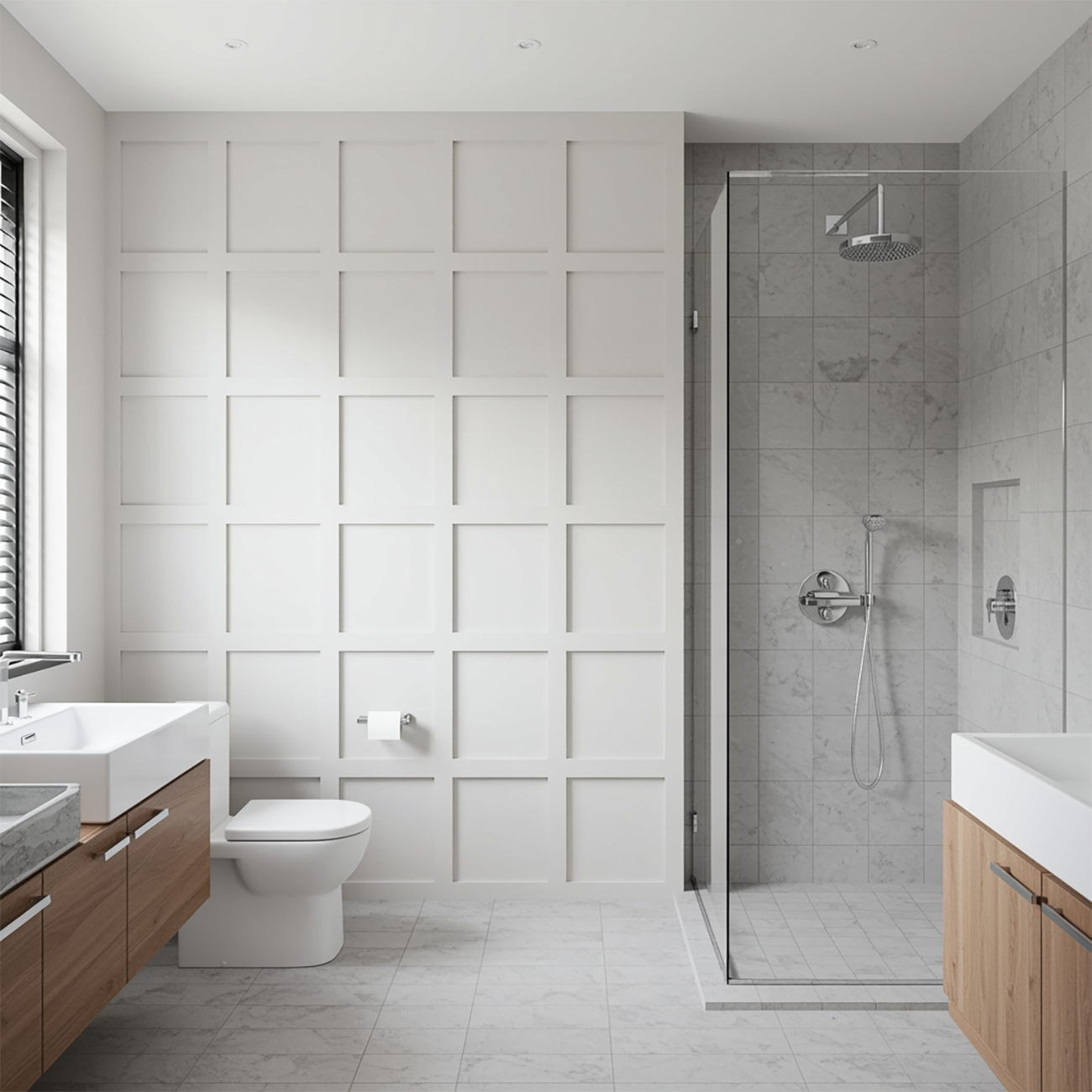
- Full-Height Grid – Covers the entire wall from skirting to ceiling for a bold statement.
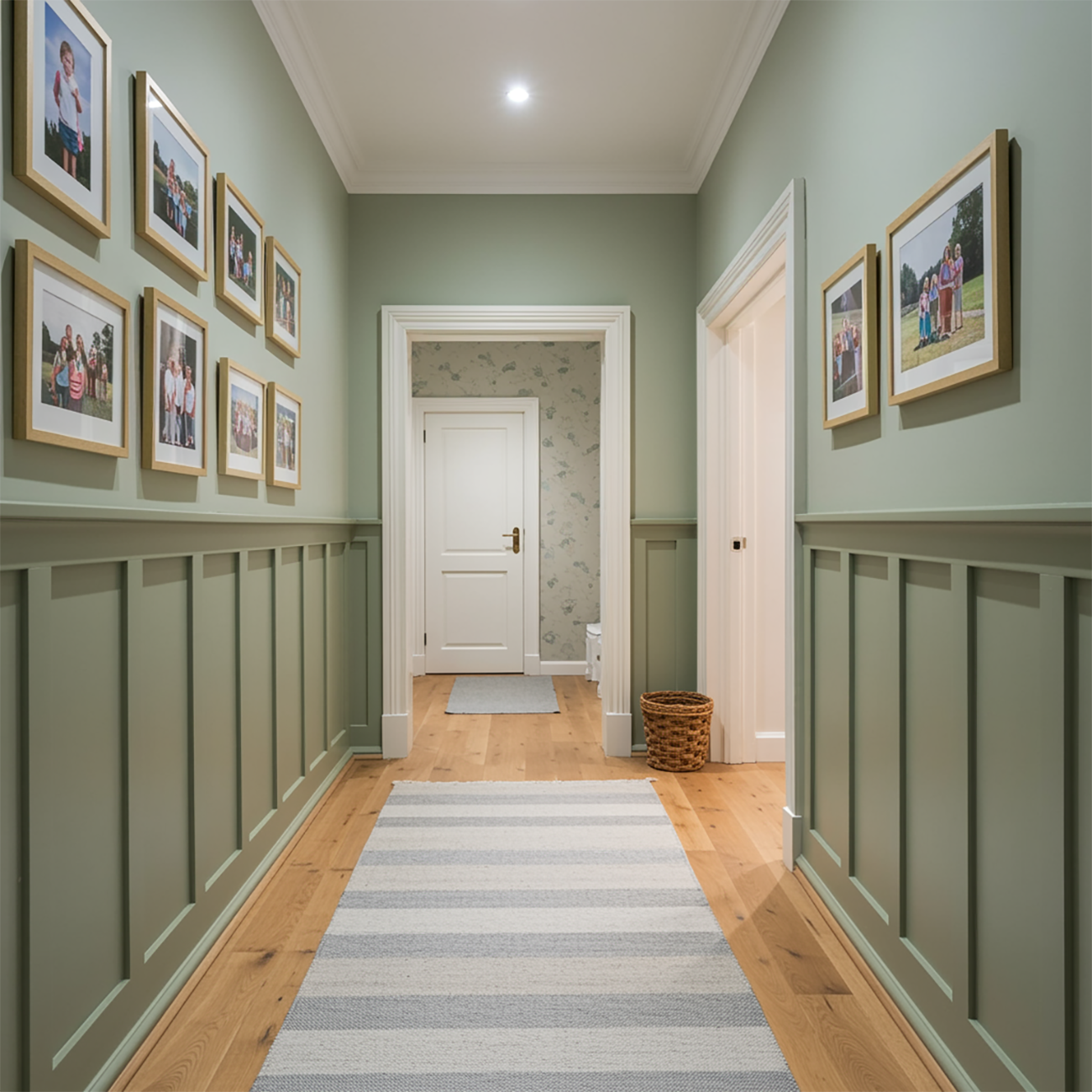
- Half-Height (Wainscoting) – Extends to approximately one-third or half the wall height, often finished with a top rail.
- Feature Frame – One or two large rectangular frames used behind beds or sofas.
- Modern Narrow Panels – Smaller, closely spaced rectangles for contemporary interiors.
Choosing the Right Material
MDF (Medium Density Fibreboard):
- Smooth paint-ready surface.
- Cost-effective.
- Easy to cut and install.
- Moisture-resistant grades available.
Timber:
- Natural grain finish.
- Suitable for staining or varnishing.
- Higher cost and may require more preparation.
For painted decorative interiors, MDF is generally preferred.
Recommended MDF Thickness
- 9mm MDF provides a subtle, modern finish.
- 12mm MDF creates deeper shadow lines and a more traditional look.
Thicker strips create stronger visual depth but require accurate alignment.
How to Plan Your Layout
- Measure wall height and width.
- Decide on panel size and spacing.
- Sketch the layout to ensure symmetry.
- Account for plug sockets, switches and radiators.
Consistent spacing and central alignment are more important than exact panel dimensions.
Step-by-Step Installation Overview
- Mark outer frame lines using a spirit level.
- Fix perimeter strips first.
- Install vertical strips.
- Measure and fit horizontal pieces.
- Fill joints and sand smooth.
- Prime and paint for a seamless finish.
High-strength grab adhesive is typically sufficient for flat plastered walls.
Common Installation Mistakes
- Uneven spacing.
- Failing to use a level.
- Skipping primer on MDF.
- Overcrowding small walls with too many panels.
- Using standard MDF in high-humidity areas without sealing.
Where Can Shaker Panelling Be Used?
- Living rooms.
- Hallways and staircases.
- Bedrooms.
- Dining rooms.
- Home offices.
Moisture-resistant MDF should be specified in kitchens or areas with occasional humidity.
Cost Considerations
MDF shaker panel kits are typically more affordable than solid timber solutions. Pre-cut kits reduce installation time and material waste, making them a practical option for DIY projects.
Why Choose Pre-Cut Shaker Panel Kits?
Pre-cut kits provide consistent strip width and thickness, improving accuracy and reducing measuring errors. They speed up installation and help achieve a professional finish.
Frequently Asked Questions
What thickness MDF is best for shaker panelling?
9mm–12mm MDF is commonly used depending on the desired depth.
Can shaker panelling be installed on textured walls?
Walls should be smooth for best results. Preparation may be required.
Is shaker panelling suitable for bathrooms?
Not recommended unless moisture-resistant MDF is fully sealed and the room is well ventilated.
How long does installation take?
A standard feature wall can often be installed within one day, excluding drying time.
Useful Guides
- MDF Shaker Panel Kits.
- How to Install Shaker Panelling.
- Shaker Panel Buying Guide (MDF vs Timber).
- Shaker Panel Layout Ideas & Design Guide.
- MDF Sheet Cut-to-Size.