0113 249 2222


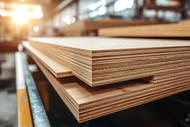
Plywood is one of the best things to happen to woodworking since the invention of the hand plane; it's more versatile than MDF and has a smoother finish than OSB and comes in a range of grades and finishes that make it suitable for everything from fine furniture to marine applications. But like most things, in can vary in quality and choosing the wrong plywood can be bad news for your project.
Choosing the right plywood for your project is crucial to ensure durability, performance and a professional finish. At The Plastic People, we supply a range of high-quality cut-to-size plywood, from softwood spruce to marine grade plywood, designed to meet different construction and decorative needs. Understanding plywood grades will help you select the perfect sheet for your project.
Read on to find out:
- What plywood grades are
- Common plywood grades in the UK and Europe
- The applications for each plywood grade
- How to choose the right plywood
- Examples of plywood
- FAQs on plywood grades UK
What Are Plywood Grades In The UK?
Download any detailed plywood specification and you will see a host of technical codes, letters and numbers. But what do they mean? Well, these numbers are the grading of the wood.
Each plywood is graded by both the appearance and structural quality according to European standards used in the UK market. Each grade indicates the ideal use for that specific piece of plywood.
For example, in some grading systems, higher grades may have fewer defects and smoother surfaces, while lower grades may include knots, splits or patches. Knowing these grades helps you make informed decisions about which plywood is suitable for furniture, cabinetry, outdoor structures or construction work.
It’s also important to note that there are also other plywood grading systems depending on where you are in the world, such as APA standard grade in the US, and so it’s important to check with the plywood retailer before you purchase.
Common Plywood Grades UK
Let’s dive into some of the most common plywood grades in the UK, what each grade means and its uses.
EN 635 Plywood Appearance Grades
The EN 635 grading classifies plywood by the quality of its veneers and visible defects. The higher the letter the higher the better the finish. Here’s a quick overview of common plywood grades:
|
Grade |
Appearance |
Typical Uses |
|
B |
Smooth sanded surface, virtually no knots |
Furniture, decorative panels and other visible uses |
|
BB |
Minor defects, small repaired knots |
Cabinetry, shelving |
|
CP |
Visible patches from repaired knots |
Hidden or painted furniture parts |
|
C |
Open knots and visible defects |
Subfloors, packaging |
Note: Each of these classes will then be given a letter grading for the appearance – such a B/BB – of the sheet as laid out above.
EN636 Plywood Performance Grades
EN 636 is the European standard that classifies plywood according to its durability and moisture resistance. These will usually feature in the specification as a code such as EN 636-1.
The table below gives you a complete overview of the grading, it’s features and uses.
|
Grade |
Ideal application conditions |
Typical Uses |
|
Class 1 |
Dry conditions |
Interior use, partition walls, cabinet making |
|
Class 2 |
Humid conditions |
Cold Roofs, ground Floors |
|
Class 3 |
Exterior conditions |
Fully exposed decking, roofing |
Note: Each of these classes will then be given a letter grading for the appearance – such a B/BB – of the sheet as laid out above.
EN 314 Bonding Quality Grades
The quality of the bonding used in making plywood is also graded to indicate it's quality. Each class of bonding has it's own grading, such as EN 314-2, so you can identify its qualities. The table below gives you a complete breakdown of these gradings.
|
Grade |
Ideal application conditions |
Typical Uses |
|
Class 1 |
Dry indoor conditions |
Indoor furniture, paneling, cabinetry, shelving |
|
Class 2 |
Sheltered outdoor/indoor conditions where some moisture may occur |
Kitchens and bathrooms without direct water contact, or protected outdoor furniture |
|
Class 3 |
Exterior conditions |
Fully exposed roofing, decking outdoor furniture |
BS 1088 Marine Grade Plywood
Marine grade plywood can be identified by the code BS 1088. It’s high-quality veneers and waterproof bonds make it moisture resistant and ideal for outdoor joinery and boat building.
Key requirements for BS 1088 include:
- High quality hardwood construction
- Waterproof bonding
- A structure that provides strength and stability
- A high-grade surface without blemishes
- Must meet marine plywood grading UK standards
Typical uses of BS 1088 plywood include:
- Boat building and other marine applications
- Exterior construction use
- Outdoor furniture
Need marine grade plywood, or other types of plywood, for your next project? We cut plywood to size and deliver it straight to your door. Just click here, choose the type of wood you need, use our handy cut-to-size calculator and get the perfect plywood sheet shipped to your door.

How To Choose The Right Plywood For The Job
When buying plywood, always keep in mind your project’s requirements for strength, appearance and exposure. Understanding the differences between plywood grades helps you avoid costly mistakes and ensures you get the right sheet for the job.
Below are a few key indicators as to what plywood you should be using.
Appearance
If your project is decorative or highly visible, appearance should be a top priority. The higher the letter the better the finish. Grade B offers smoother surfaces with minimal defects perfect for furniture, cabinetry and interior panelling.
Lower grades like C may contain visible knots, patches or colour variations, making it more suitable for structural or hidden applications. Choosing the right grade will make sure you achieve the finish you expect.
Structural Quality & Performance
Different projects demand different levels of strength and durability. Structural and exterior plywood grades are manufactured to handle heavier loads and tougher conditions. For weight bearing projects such as shelves, you will want to opt for a thicker 18mm board with more layers.
Exterior/Interior use
Exposure tolerance is another factor you’ll need to consider when choosing your plywood. Exterior and marine plywood grades are bonded with water-resistant adhesives designed to withstand rain, humidity and temperature changes. Interior, class 1, plywood doesn’t offer this protection and can swell or weaken if exposed to damp conditions.
Getting The Best Value
Higher plywood grades come at a higher price due to tighter quality control and superior face veneers. However, you’re paying for a cleaner finish and improved consistency. For projects where appearance isn’t important, such as temporary works or upholstered projects, lower grades offer excellent value without compromising structural integrity.
Examples Of Cut-To-Size Plywood
Hardwood Plywood
Our Hardwood Plywood, graded B/BB, is a strong, versatile structural plywood manufactured with a durable eucalyptus core and faced both sides with mixed red hardwood veneers, giving it excellent resistance to rot and insect damage while remaining more affordable than many other hardwood ply. This quality makes it ideal for load-bearing projects, interior flooring, cabinetry and furniture where both strength and appearance matter.
Available in multiple thicknesses from 5.5 mm to 18 mm and offered with a cut-to-size service, this hardwood plywood delivers both performance and convenience for a wide range of woodworking and construction applications. Hardwood plywoods are suitable for external use if sealed correctly.
BS 1088 Marine Grade Plywood
Marine grade plywood is manufactured with high-quality face and core veneers, and any natural voids within the layers are carefully filled during production. This process helps prevent water from penetrating internal gaps, reducing the risk of moisture build-up and long-term damage. By eliminating core voids, the panel maintains consistent structural integrity throughout.
In demanding applications, such as boat building, this construction is especially important. For example, if a hull were to strike a rock or submerged object, the solid interior means the wood wont collapse into hidden gaps. The result is a stronger, more reliable sheet that performs under pressure as well as in wet conditions.
Softwood Spruce Plywood
A smooth plywood with a clean, light and more uniform it is lightweight yet strong softwood plywood panel ideal for woodwork projects where the surface will be visible. Softwood Spruce ply is a cost-effective alternative to solid wood, offering a smooth surface that takes paint or laminates well, just remember to prime or seal before finishing for the best result.
Available in multiple thicknesses and custom cut-to-size for convenience, our softwood spruce plywood gives you both performance and flexibility for versatile use around the workshop or site.
Plywood Softwood Elliottis
Often referred to as shuttering plywood due to its wide range of practical uses this particular wood is a versatile and economical softwood plywood made from quality Elliottis pine. Its lightweight yet strong construction makes it ideal for applications such as furniture frames, packaging and other non-structural projects where a smooth, paintable surface is desirable.
Available in a selection of thicknesses from 9 mm to 18 mm and offered with custom cut-to-size service, this plywood delivers everyday performance where strength, ease of handling and cost-effectiveness matter. Just remember to seal or prime before painting for a professional finish.

Plywood Grades UK – Frequently Asked Questions
Below are some frequently asked questions associated with plywood grades.
What are plywood grades?
Plywood grades describe the quality of the veneer faces and the durability of the bonding used in the sheet. In the UK, plywood grading typically follows European standards such as EN 635, which classifies the appearance of the faces (A, B, BB, C), and EN 636, which defines whether plywood is suitable for interior, humid, or exterior environments.
What is the best plywood grade for furniture?
The best plywood grade for furniture is usually B/BB plywood. This grade provides a smooth, sanded face suitable for visible surfaces, while the reverse side may contain small repairs or patches. B/BB plywood is widely used for cabinetry, shelving, and furniture panels because it offers a good balance of appearance, strength, and cost.
What is the difference between B and BB plywood?
The difference between B and BB plywood lies in the number of repairs allowed on the surface veneer. B grade plywood has very few knots or repairs and is intended for clear finishing. BB grade plywood allows small colour-matched patches where knots have been removed, making it ideal for painted furniture or interior joinery.
What does EN 636 mean for plywood?
EN 636 is the European standard that classifies plywood according to its durability and moisture resistance. EN 636-1 is suitable for dry interior environments, EN 636-2 is designed for humid conditions such as kitchens or bathrooms, and EN 636-3 is intended for exterior use where the plywood may be exposed to weather.
What is marine plywood and what does BS 1088 mean?
Marine plywood is plywood manufactured using high-quality veneers and waterproof adhesives designed to resist moisture and rot. In the UK, marine plywood is commonly produced to the BS 1088 standard, which ensures the board uses weather- and boil-proof (WBP) bonding and minimal core gaps, making it suitable for boats, exterior joinery, and wet environments.
What plywood grade should be used for structural projects?
For structural applications where appearance is not important, C+/C or C/C plywood grades are typically used. These grades may contain visible knots, patches, or surface defects but still maintain full structural integrity. They are commonly used for subfloors, roofing decks, shed floors, and packing cases.
How do I know if plywood is waterproof?
To check whether plywood is waterproof, look at the bonding and durability classification. Marine plywood manufactured to BS 1088 or exterior plywood rated EN 636-3 uses weather- and boil-proof adhesives designed to withstand moisture exposure. Interior grades such as EN 636-1 are not intended for outdoor or permanently damp conditions.
What is the difference between hardwood and softwood plywood?
Hardwood plywood is manufactured using hardwood veneers such as eucalyptus or birch and is commonly used for furniture, cabinetry, and decorative panels. Softwood plywood, typically made from pine or spruce veneers, is more often used for structural applications such as flooring, roofing, and construction where strength is more important than appearance.
Can plywood be supplied cut to size?
Yes, many suppliers offer cut-to-size plywood services where sheets are precisely machined to your required dimensions. This allows customers to receive ready-to-install panels for furniture, shelving, wall panels, or construction projects, reducing waste and saving time during installation
Find The Perfect Plywood for Your Next Project
Need plywood for your next project and don’t have the tools to cut and shape it? Or maybe you don’t want to waste money on cutting standard sizes sheets? We ship cut to size plywood straight to your door.
All you have to do is choose the type of plywood you need here, input your dimensions into our handy calculator, order and wait for your perfectly cut plywood to be delivered to your door. It’s as easy as that.
If you’d like advice on choosing the right plywood grade for your project, then please get in touch here or call us on 0113 249 2222.
This article was written by the materials team at The Plastic People, specialists in cut-to-size sheet materials